- Tel: +86 15759270795
- Email: Sales@touchkey-china.com



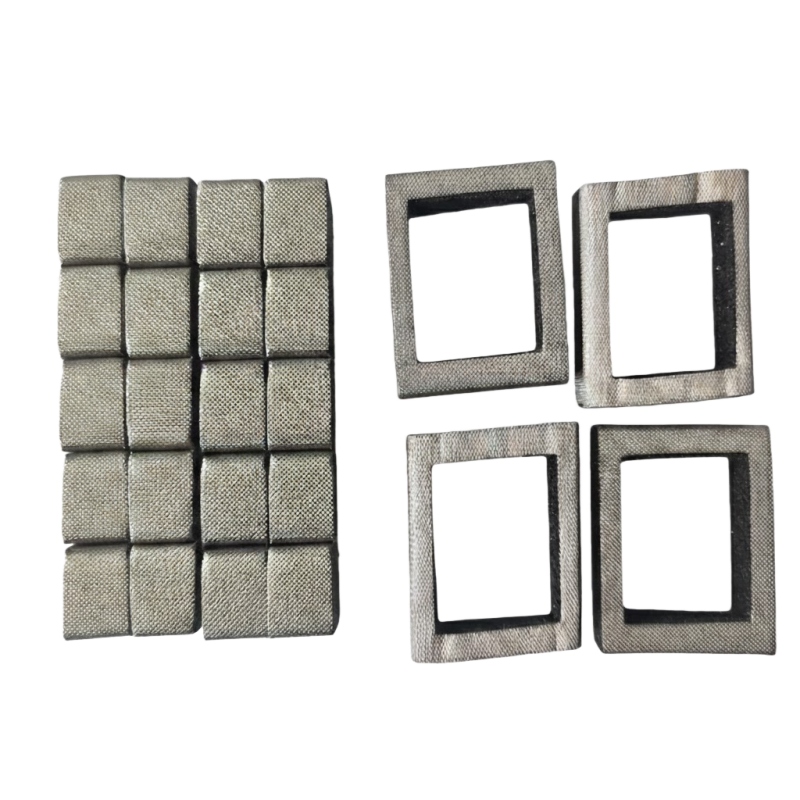
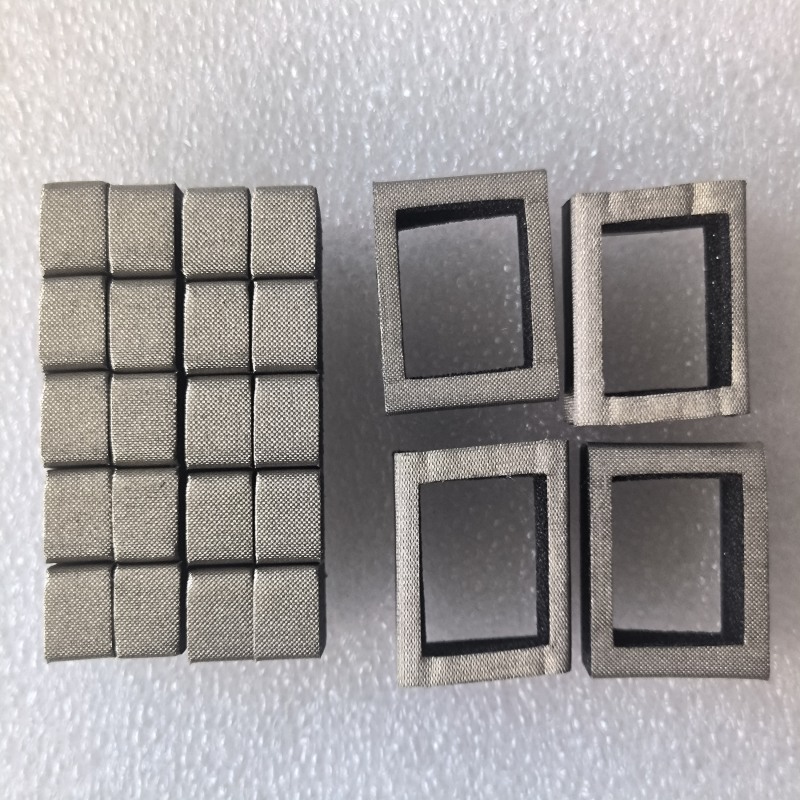
Main features of conductive sponge capacitive button:
Our Conductive Sponge Capacitive Buttons provide highly sensitive, non-mechanical touch solutions that are acid and alkali resistant and fully compatible with all capacitive touch MCUs for durable use in industrial and home appliances.
Item No. :
SC-001Samples :
30~80pcs AvailableOEM/ODM :
yesConductive Sponge Capacitive Button
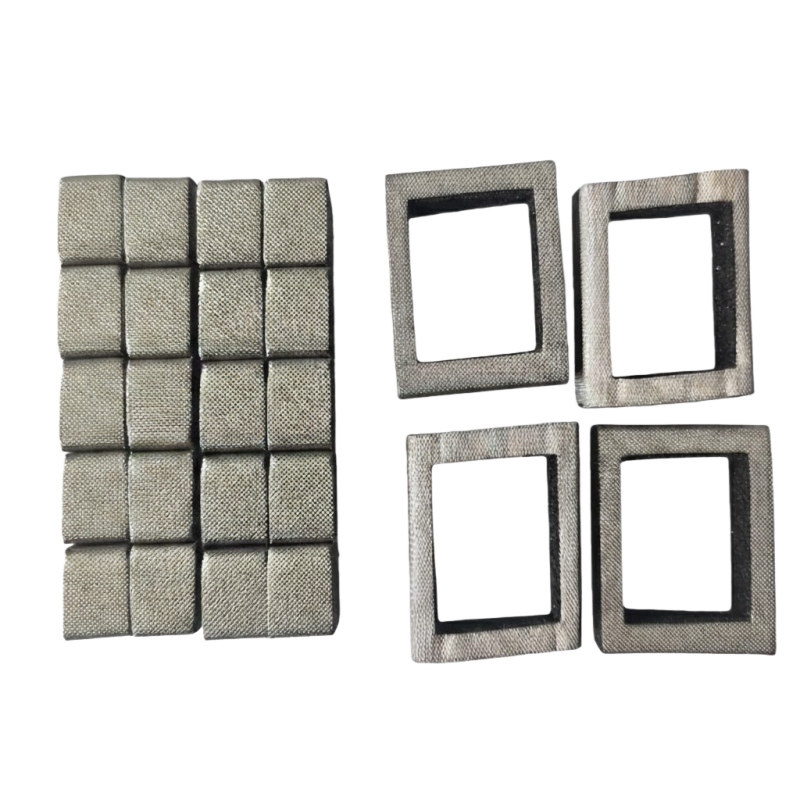
Product Specifications:
| Discription | membrane switch capacitive button |
| Material Options | Polyethylene, Polycarbonate, etc. |
| Contact Method | FPC, pin connector, etc. |
* We provide professional OEM/ODM services of touch springs. Contact us for custom drawings and samples via Sales@touchkey-china.com
How to quickly get some free samples for test
To ensure the highest precision, we recommend providing your technical drawings. We accept all major formats including PDF, DXF, DWG, STEP, and IGS.
Don't have a drawing yet? No problem. Simply provide the specifications listed below. Our engineering team will create a custom design for your Conductive Sponge Capacitive Button and submit the drawings to you for final approval.
Standard Process: Upon approval of the technical drawing, we provide complimentary (free) samples. The standard production time for samples is approximately 3 weeks.
Urgent Service: For time-sensitive projects, we offer an expedited service. The entire process—from design to sample dispatch—can be completed within 1 week.
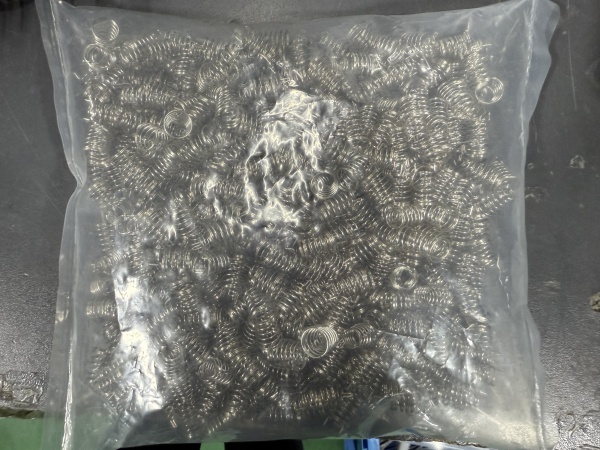
1. Bulk (Plastic bag)
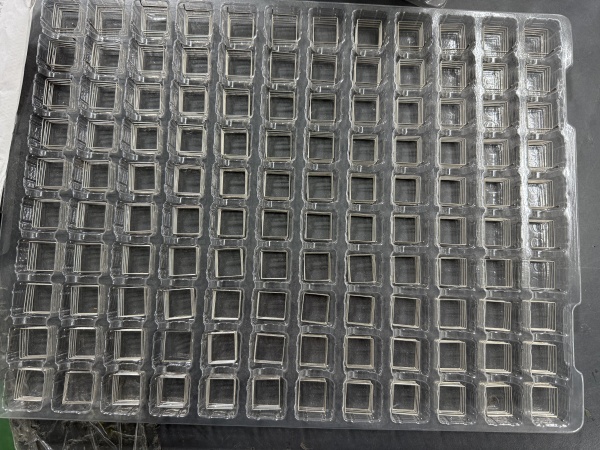
2. Plastic tray
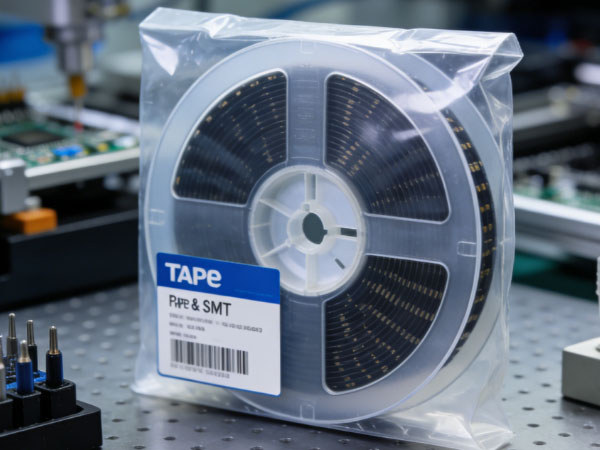
3. Tape & Reel (For SMT)
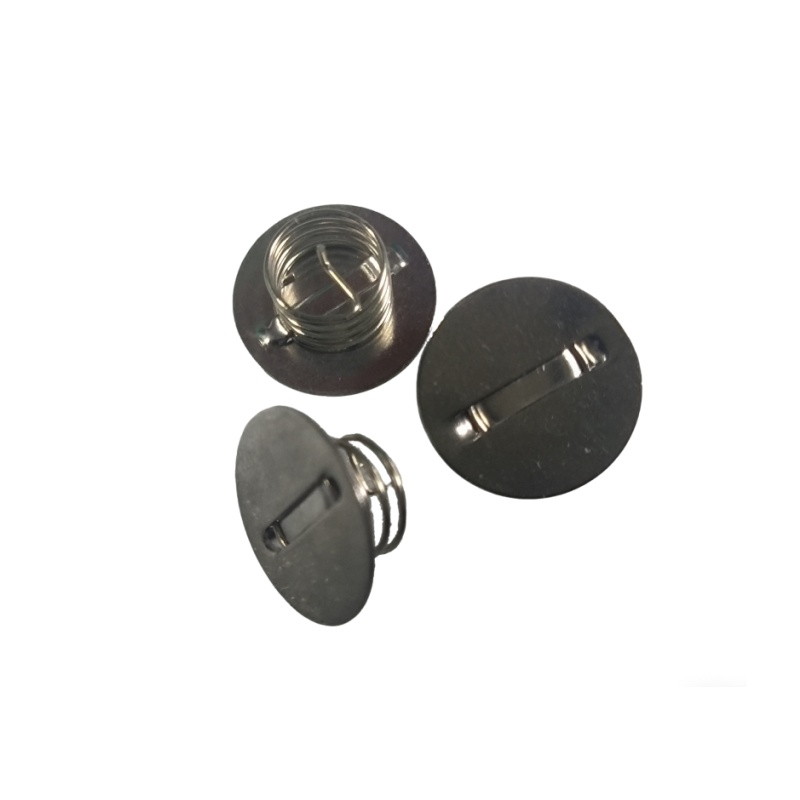
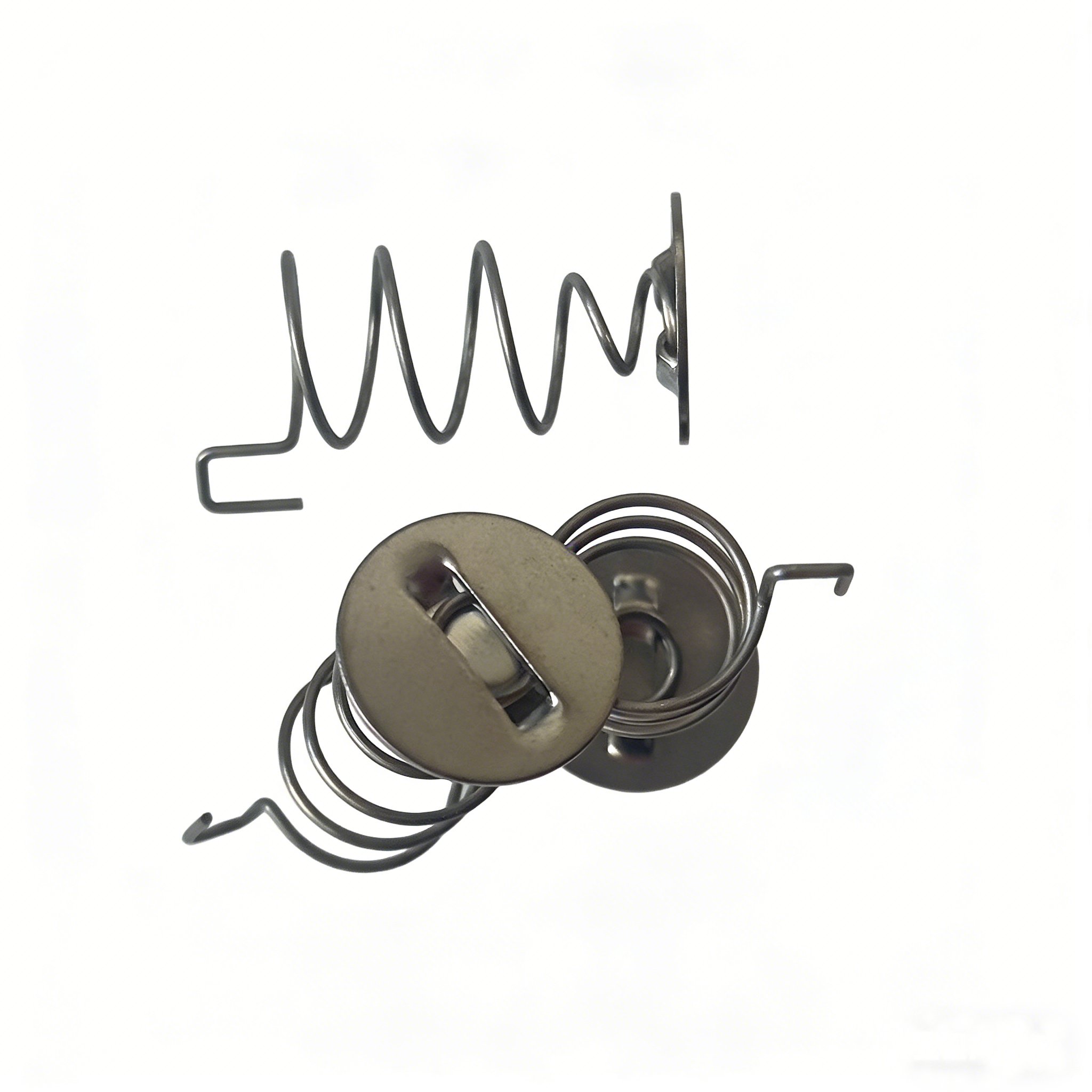
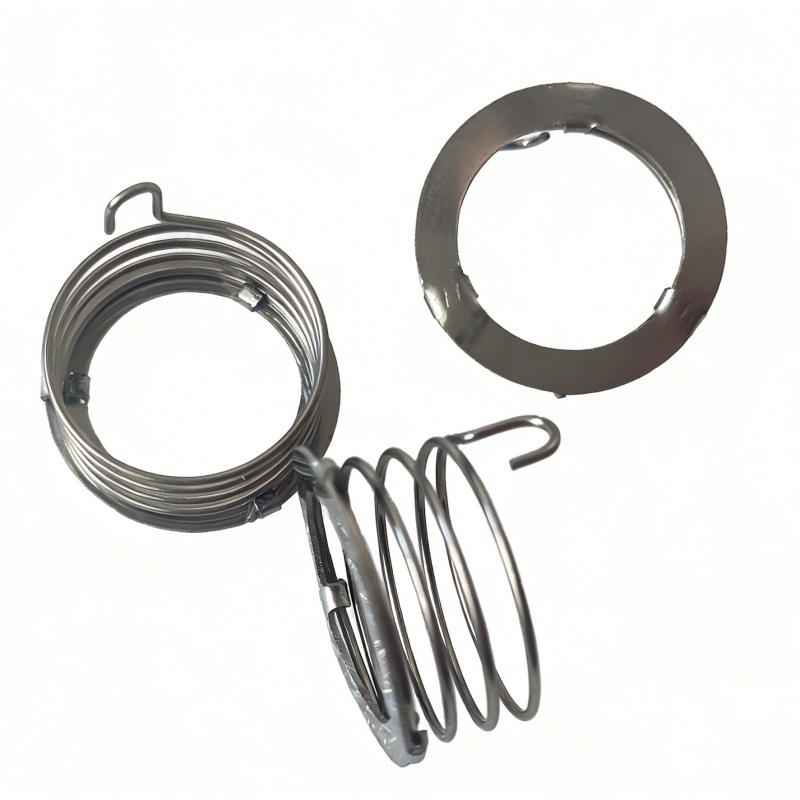
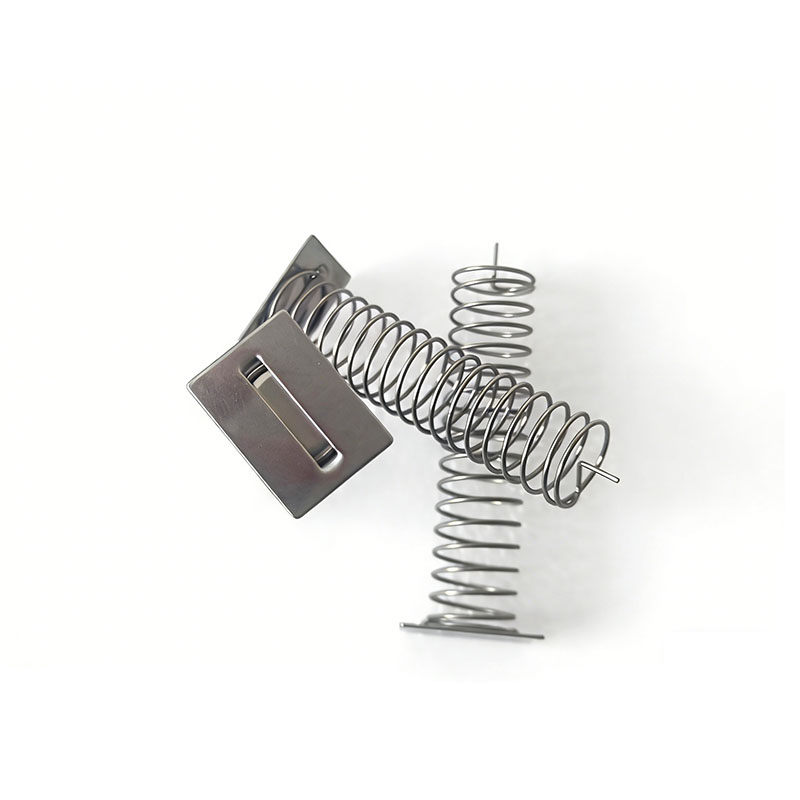
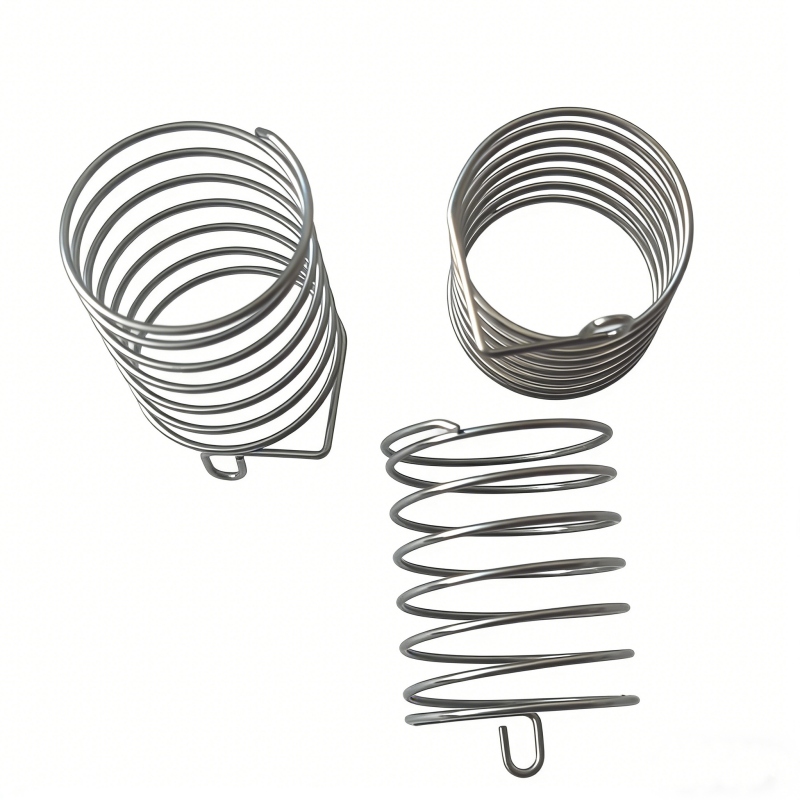
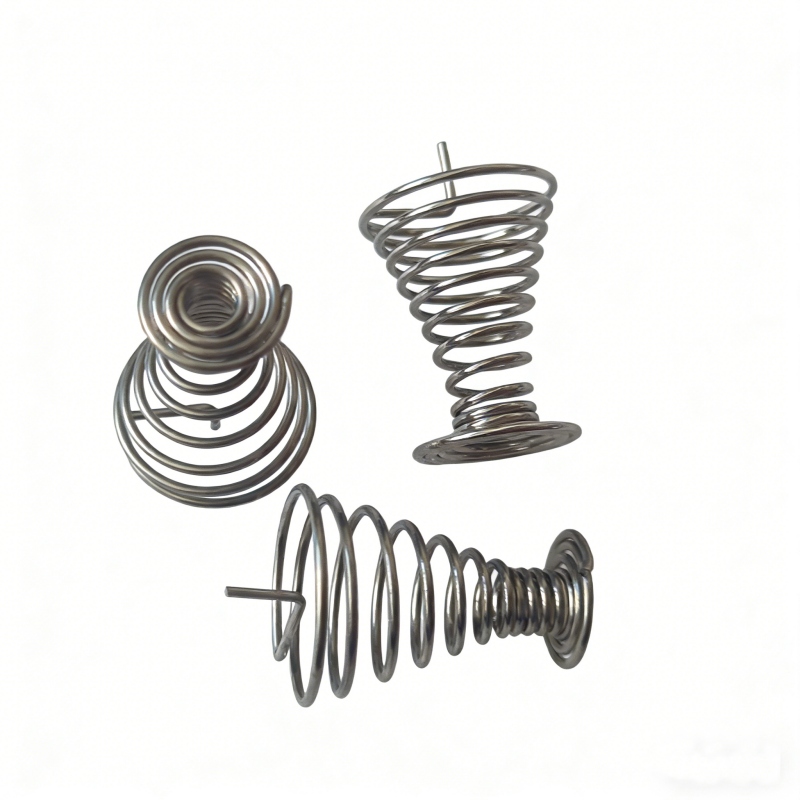
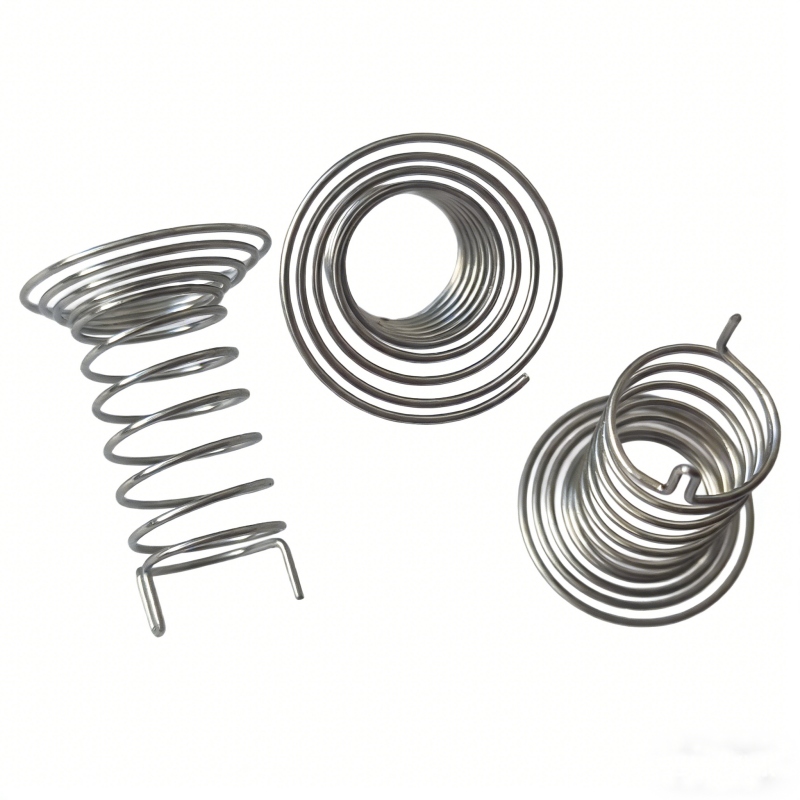
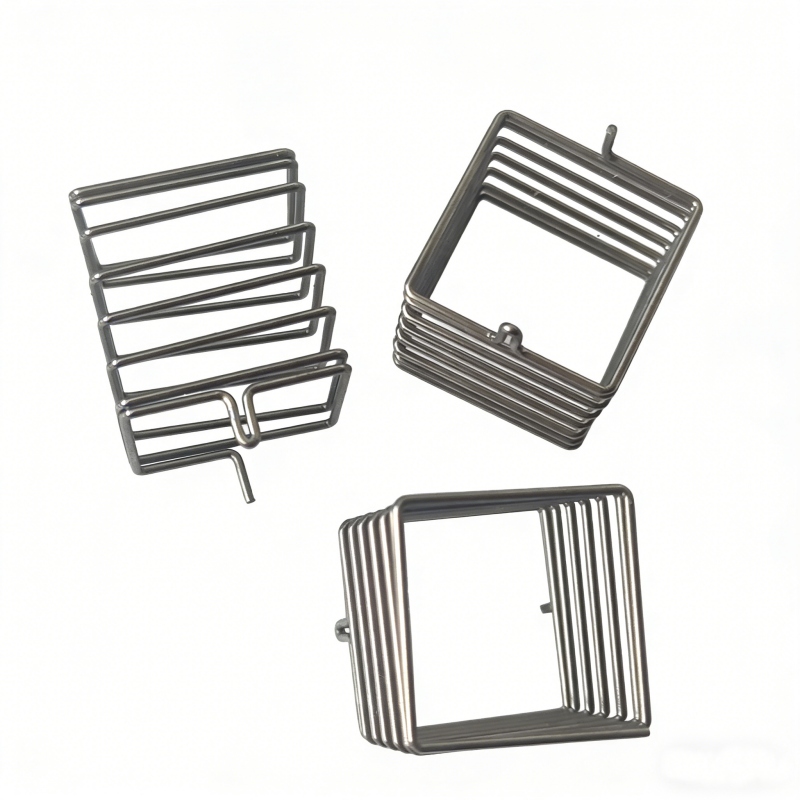
The capacitive touch springs can be applied in various fields such as household appliances, medical equipment, robotics, wearable technology, automated devices, tools, gas, instrumentation, automotive industries, and more. For example, the capacitive touch springs are now very commonly found in household appliances such as induction cookers, microwaves, ovens, refrigerators, air conditioners, coffee machines, and audio systems, and so on.
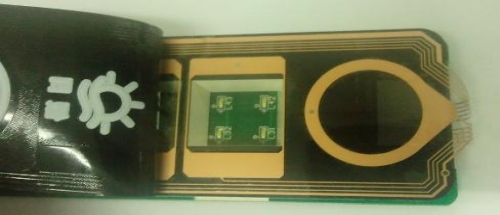
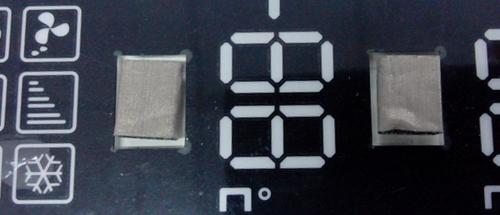
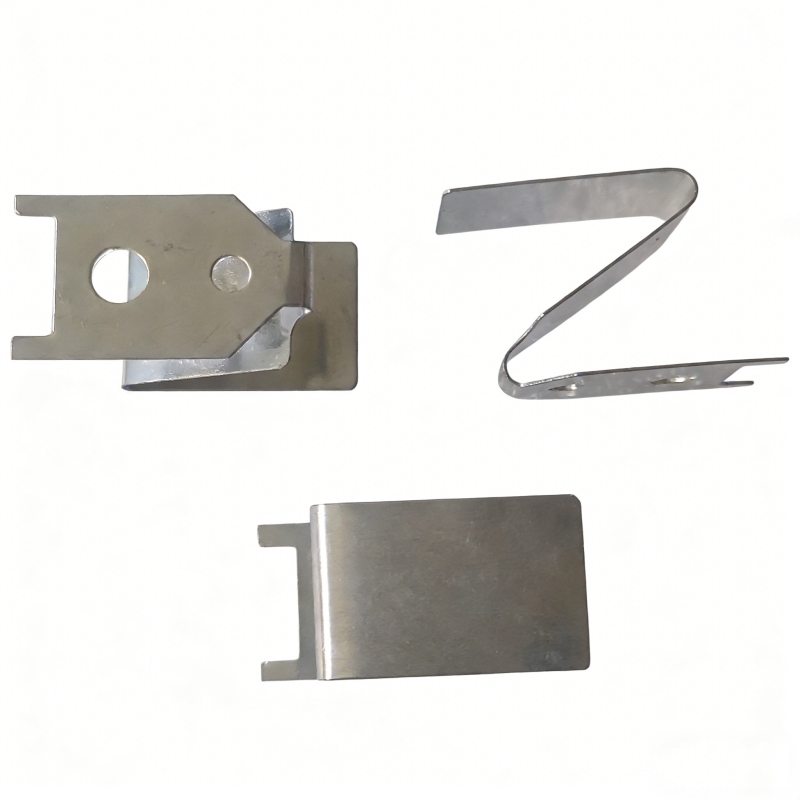
Optimize your touch control interface with our high-performance Z-type capacitive buttons provide highly sensitive, non-mechanical touch solutions that are acid and alkali resistant and fully compatible with all capacitive touch MCUs for durable use in industrial and home appliances. Main features of Z Type capacitive button: Consistent free height Best Stable sensing performance and high raliability Acid and alkali resistant,high anti-corrosion Suitable for any kinds of capacitive touch panels All of capacitive touch MCU compatible
Details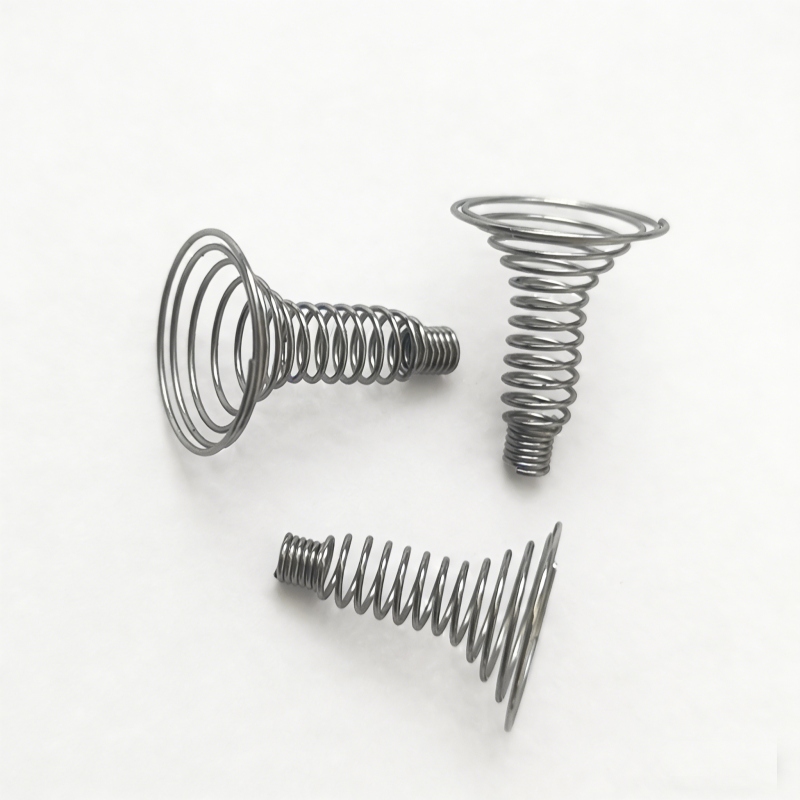
Our Capacitive Touch Buttons provide highly sensitive, non-mechanical touch solutions that are acid and alkali resistant and fully compatible with all capacitive touch MCUs for durable use in industrial and home appliances. Main features of Spiral-foot capacitive button: Special structure and shape meet the product requirements Suitable for any kinds of capacitive touch panels All of capacitive touch MCU compatible
Details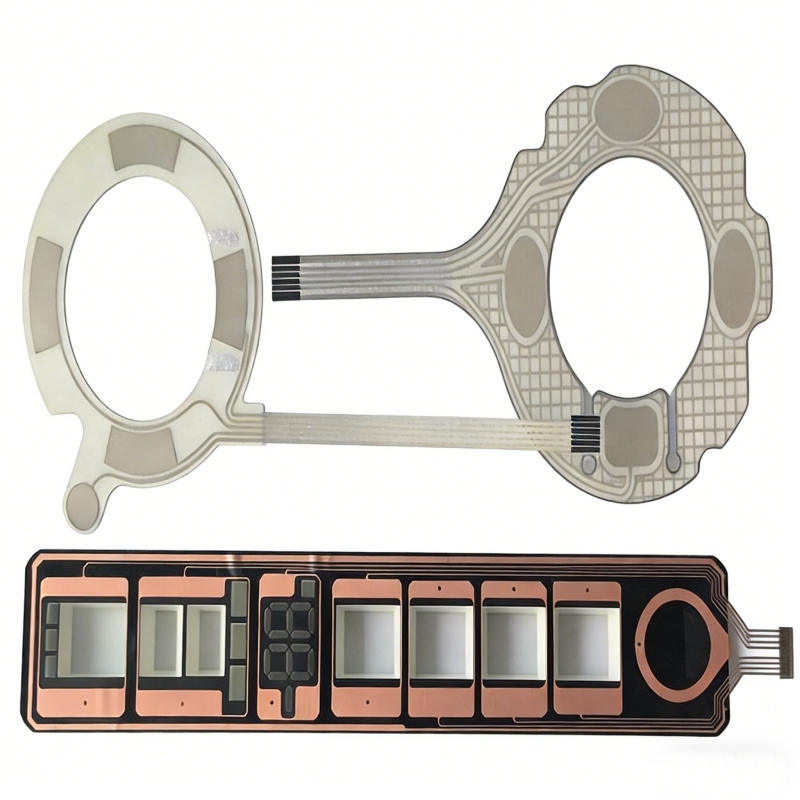
Our Membrane Switch Capacitive Button provide highly sensitive, non-mechanical touch solutions that are acid and alkali resistant and fully compatible with all capacitive touch MCUs for durable use in industrial and home appliances. Main features of membrane switch capacitive button: Thin thickness Beautiful and fashionable appearance Waterproof and dustproof Suitable for any kinds of capacitive touch panels All of capacitive touch MCU compatible
Details
Main features of conductive sponge capacitive button: Very short woking height Little pressure on the touchpad Suitable for any kinds of capacitive touch panels All of capacitive touch MCU compatible Our Conductive Sponge Capacitive Buttons provide highly sensitive, non-mechanical touch solutions that are acid and alkali resistant and fully compatible with all capacitive touch MCUs for durable use in industrial and home appliances.
Details Goodkey Machinery Import & Export Co., Limited



Leave A Message
Scan to Wechat/Whatsapp :